
Newsletter
“I’m an Active Listener” (Really?)
How often have you or heard others claim to be an ‘active listener’?

A Better Problem Finds a Better Solution
Albert Einstein once said: “A problem well defined finds its own solution.”

Make Meetings Matter
I recently facilitated an executive team workshop where the issue of unproductive meetings resurfaced.
Tension is Evidence, not an Error
When tension rises in a leadership team, most team members read it as a sign something has gone wrong. A relationship is strained. A meeting has gone off the rails. There’s a problem to be fixed.

Why effort matters most
Effort is our greatest differentiator. Not talent. Not expertise. Not experience. Effort. Capability is something we have. Effort is something we choose.

See your weaknesses as other’s strengths
I was recently speaking to a group of CEOs and was asked a question every executive team needs to ask: “How do we manage each other’s strengths and weaknesses to get the best out of the leadership team, especially when some leaders do not acknowledge their weaknesses?”

Structures hinder, systems liberate
The future of leadership depends less on traditional structure and more on how organisations create a teaming system to coordinate action.

Alignment is not an Aspiration, it’s a Practice
Most teams I work with do not flounder because they lack strategy, talent or effort. They fail because they are misaligned.
Teams That Team Tolerate Tension
One of the distinguishing attributes of highly effective leadership teams is their capacity to tolerate the tensions in difference.
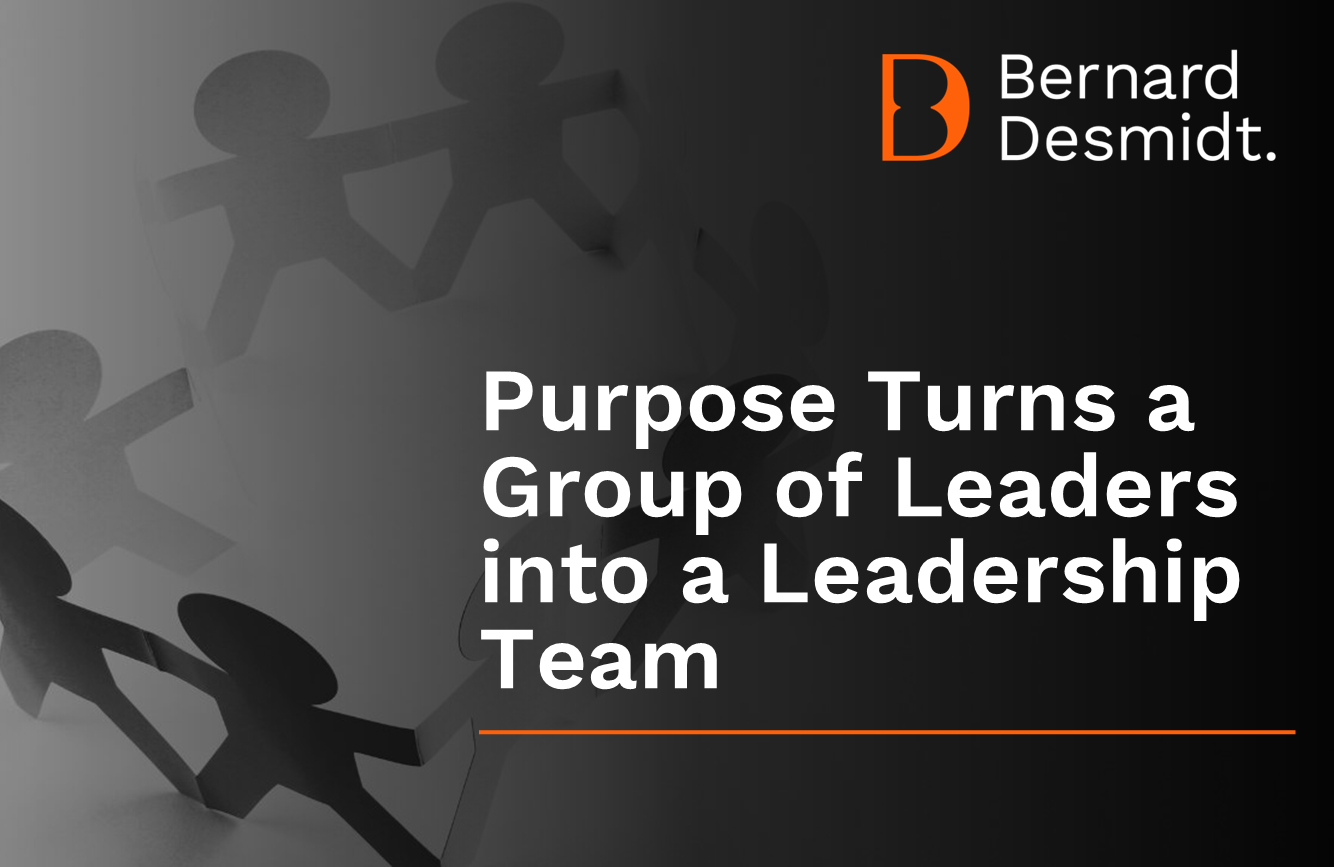
Purpose Turns a Group of Leaders into a Leadership Team
The most significant shift I observe in teams that move from floundering to flourishing is this: They stop operating as a collection of executives and align to a shared purpose.

State of Teams
I’m pleased to share the State of Teams 2026 white paper which includes the results of a decade analysing executive teams in action.
Never agree to disagree
When tension rises and conflict feels inevitable, notice what often happens. Someone (or you) suggests: “Let’s agree to disagree.”